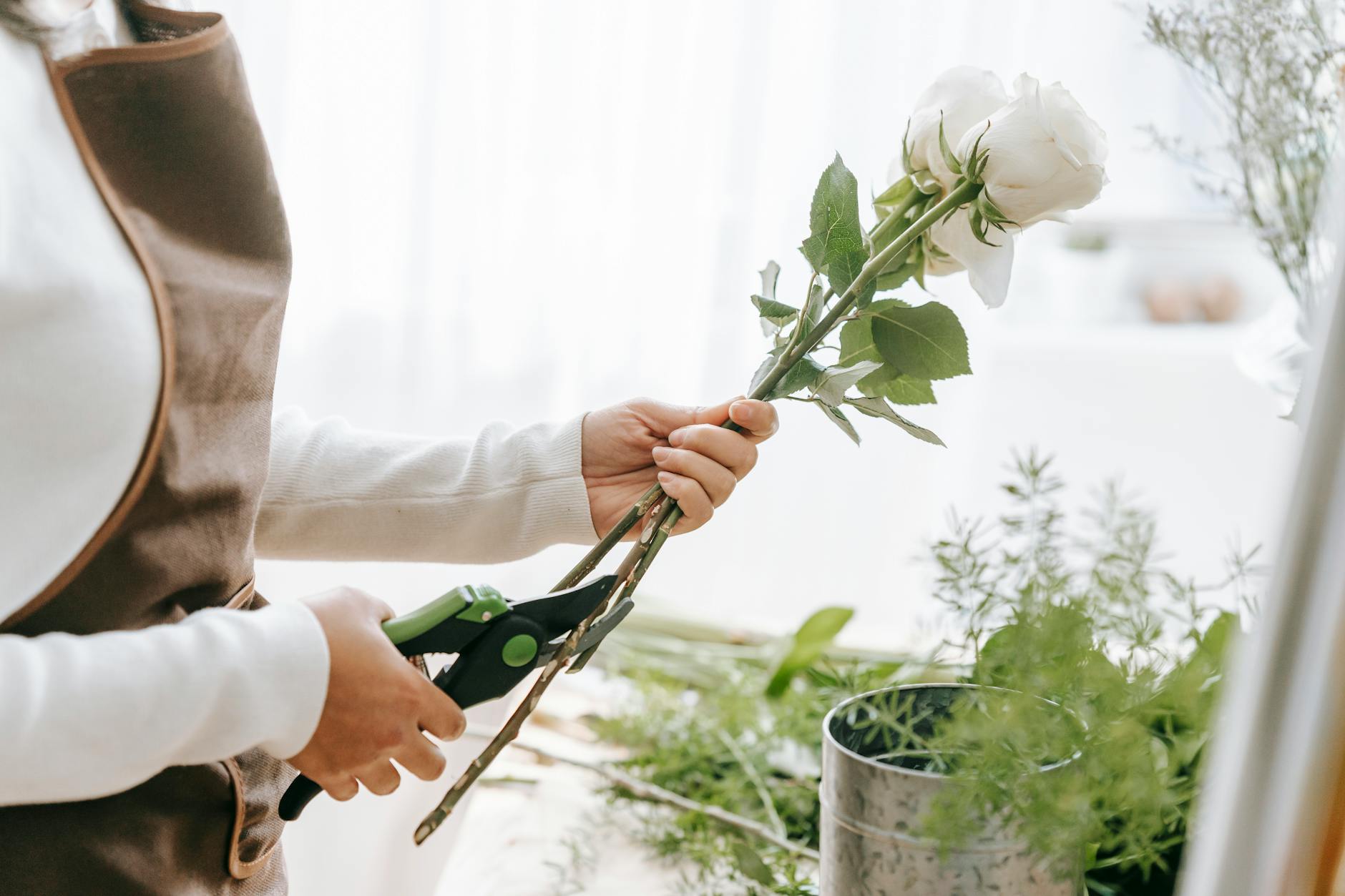
I printed out my pruning calendar and taped it to the inside wall of the potting shed three years ago, and it has saved me from at least a dozen pruning mistakes since. Pruning timing is not mysterious, but it varies by plant, and having it in one place, month by month, is the thing that turns it from a source of stress into a rhythm you just follow. Here is my calendar, with the reasoning for each plant.
This is written for zone 8b, specifically Portland, Oregon. If you are in a colder zone, shift everything two to four weeks later in spring. If you are in a warmer zone, earlier. The principles stay the same.
The two rules behind everything
Almost all pruning timing comes down to two rules:
- Prune spring-bloomers right after they flower. They set next year’s flower buds on the wood that grows this summer. If you prune them in winter, you are cutting off next year’s flowers.
- Prune summer-bloomers in late winter. They flower on new wood produced that same year, so dormant pruning just shapes them for the coming season.
Once you learn which of your plants flower on old wood and which on new wood, the calendar writes itself. Most sources I read, including the RHS and my extension service bulletin, get muddled on this distinction, so let me be clear: “old wood” means wood that grew last year or earlier. “New wood” means wood that grew this calendar year.
January: the dormant hard-prune window
January in Portland is cold enough that deciduous plants are fully dormant, but early enough that you are not cutting into swelling buds. The single most important pruning month of the year for most fruit and structural plants.
- Apple and pear trees. Full dormant pruning. Remove dead, diseased, crossing, and downward-growing branches. Open up the center for air flow.
- Grapes. Hard prune to 2-3 buds per spur. Very easy to do wrong the first time. Watch a video, then do it.
- Summer-blooming hydrangeas(H. paniculata, H. arborescens ‘Annabelle’). Cut to 12-18 inches tall. They will put on 4 feet of new growth and bloom.
- Roses, hybrid teas and floribundas. Cut to 12-18 inches, outward-facing bud. Clear out any old canes.
- Butterfly bush (Buddleja). Cut back hard, to 12 inches. It blooms on new wood.
- Vitex (chastetree). Same, hard prune.
Do not prune stone fruits (peach, plum, cherry) in January, even though they look like candidates. They are susceptible to silver leaf and bacterial canker from open winter cuts. Save them for late July.
February: structure work and finish-up
Finish anything you did not get to in January. Start to take a hard look at structural shrubs.
- Crape myrtle.Late February. Thin out the smallest twigs, leave the main structure. Do not “crape murder” by topping it at chest height. This destroys the plant’s natural shape and produces weak whippy growth.
- Perennial ornamental grasses. Before new green starts. Cut to 4-6 inches above the ground. Karl Foerster, Little Bluestem, Muhly grass, all the same timing.
- Russian sage and perovskia. Cut to 6 inches. New growth is already swelling at the base by late February.
- Lavender. A light cleanup, removing dead tips only. Hard pruning lavender into old wood kills it. Do the real shaping in August.
March: cleanup and caning cane fruit
- Raspberries.Summer-bearing: cut out canes that fruited last year (they will look woody and grayish). Leave green canes for this year’s fruit. Fall-bearing: cut everything to the ground for a single big fall crop.
- Blueberries. Remove dead wood and any canes older than 5 years. Keep the youngest 8-10 canes per bush.
- Blackberries.Remove last year’s fruited canes entirely. Thin the new canes to 5-6 per plant.
- Clematis, group 3 (late-bloomers like Jackmanii). Cut to 12 inches. They flower on new growth.
April: flowering shrubs, right after bloom
This is when spring-blooming shrubs start finishing up, and this is the window to prune them. Do it within 2 weeks of the last flower petal dropping, before they start setting new wood for next year’s flower buds.
- Forsythia. After yellow flowers are done. Remove a third of the oldest canes at ground level, shape the rest.
- Quince. Same, right after bloom.
- Spring-blooming hydrangeas(H. macrophylla, mophead and lacecap). Wait for flowers to fade, then prune back to the first pair of fat buds below the dead flower. Never prune in winter, you will remove next year’s flowers.
May: lilacs and rhododendrons
- Lilacs. Within 2 weeks of flowers fading. Deadhead, then remove any very old (thicker than your thumb) canes at ground level. Do not shear them like hedges.
- Rhododendrons and azaleas.Right after bloom. Shape only. They set next year’s buds in summer, so June pruning destroys them.
- Mountain laurel (Kalmia). Same.
June: deadheading and early shaping
June is not a major pruning month. It is a deadheading month, and a checking-your-work month.
- Rose deadheading. Weekly. Clip spent blooms back to the first 5-leaflet leaf facing outward.
- Perennial deadheading. Salvia, Nepeta (catmint), lavender (after first flush only). Cut back by one third to prompt a second bloom.
July: wisteria and a few specialty trees
- Wisteria, summer prune. Cut back all long green whippy shoots to 6 inches from the main framework. This forces flower-bud formation instead of continued vegetative growth.
- Stone fruit trees. Late July into early August. Peach, plum, cherry. This window, after new growth has hardened but before autumn rains, minimizes disease spread from pruning cuts.
- Apricots. Same window.
August: the lavender window
- Lavender, the real prune. Right after flowers have peaked. Cut back by one third into green growth. Never cut into brown old wood, it will not regenerate.
- Wisteria follow-up. Second pass if new whippy growth has come back in.
- Deadheading anything you want one more flush from. Salvia, Agastache, Echinacea. Cut back hard, water well, expect a second smaller bloom in 3-4 weeks.
September to October: almost nothing
Do not prune in fall. The plant is preparing to go dormant. Pruning sends a signal to push new growth, which then gets killed by frost and wastes the plant’s energy. This is the hardest season to leave alone because so many things look scruffy by September, and you just have to.
Exceptions:
- Remove dead, diseased, or dangerous branches any time of year. Safety and plant health trump timing.
- Tomato suckering continues until frost, that is not really pruning.
- Cut back perennials that have gone to mush after first frost. Hostas, cannas, dahlias (dig those, actually).
November to December: tidy but do not dig deep
Collect fallen leaves, cut spent perennial stalks to 6 inches above ground (or leave standing for bird seed and winter structure), remove diseased debris. No real pruning. You are getting ready for January.
Tools, and caring for them
The right tool prevents bad cuts, and bad cuts are where disease enters. My tools, in order of frequency used:
- Felco #2 hand pruner. Swiss-made, $65, indestructible. I have mine for 12 years and it is still the best pruner I own. Replacement blades and springs are easy to find.
- Fiskars PowerGear2 lopper. For anything 1-1.5 inches. Geared action for larger cuts, $45.
- Silky Gomboy folding saw. For branches thicker than the lopper. $50, cuts like butter.
- Corona e-grip hedge shears. For hedges only, not for pruning individual plants.
Wipe blades with isopropyl alcohol between plants, especially if you are working on something diseased. Sharpen pruners every spring (a Felco sharpening stone is $18). Oil the joints. A pruner with a clean, sharp blade makes a clean cut that seals naturally. A dull pruner crushes the wood, and the plant takes weeks to recover.
Bottom line
Write your own version of this calendar for the plants you actually have. Tape it inside your shed, or pin it to your fridge, or put it in your phone. Then follow it. The magic of pruning is 90% timing and 10% technique. If you make a bad cut on the right plant at the right time, the plant recovers. If you make a perfect cut at the wrong time, you lose a year of flowers or fruit. Three years of this calendar has made my garden visibly healthier and cut my pruning anxiety to almost nothing, which is a better return than most things you can do in a garden.