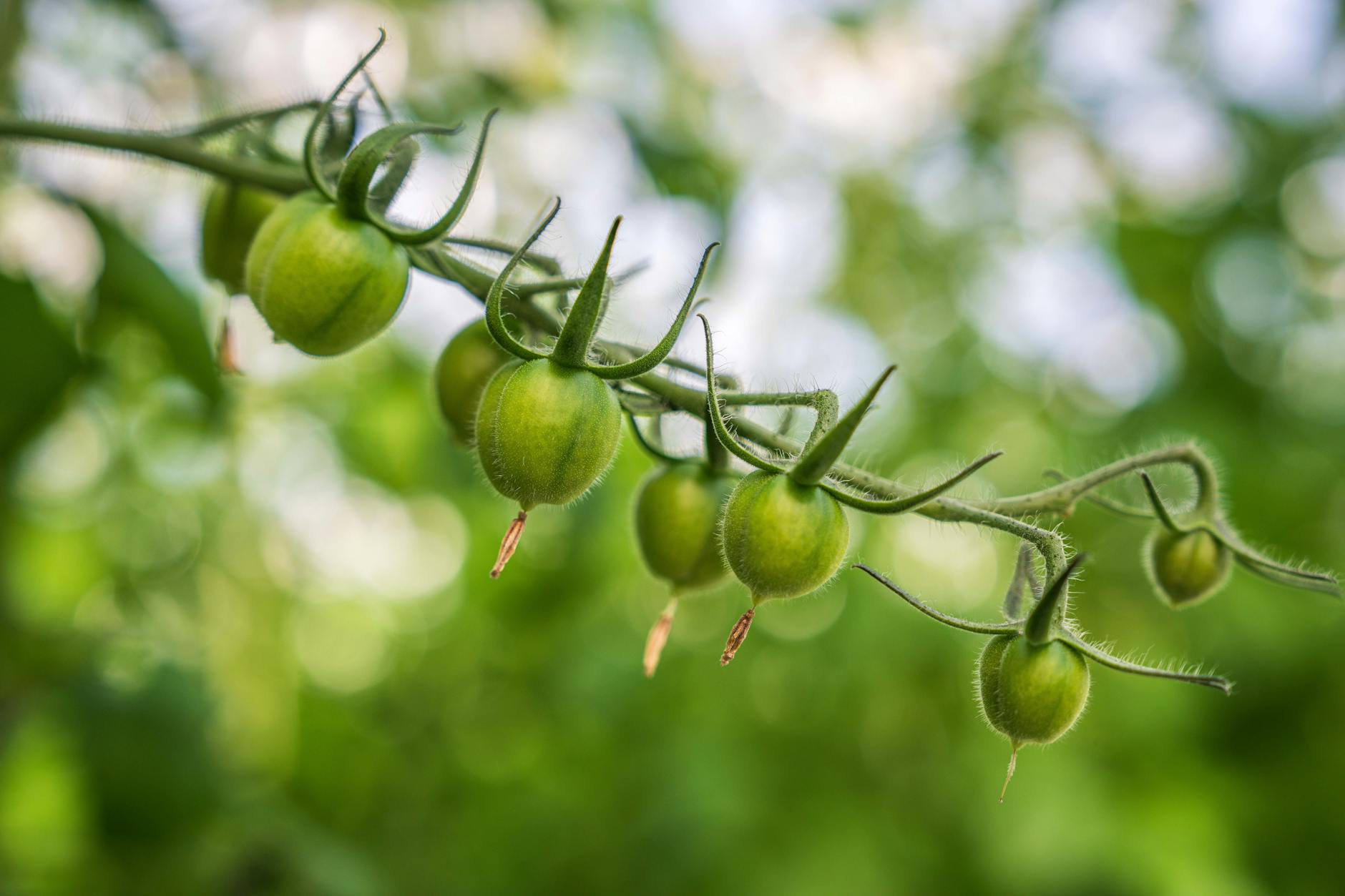
I have been growing tomatoes in some form since 2007, from a fire escape in Boston to my raised beds in Portland, and I have killed a depressing number of them. Not pest-killed, not disease-killed. Killed by me, specifically, making choices that felt sensible at the time and were not. The tomato is forgiving in some ways and fantastically unforgiving in others, and after nineteen summers I can tell you which mistakes actually cost me fruit. These are those mistakes, in the rough order I made them.
Planting too early
Every spring I still have to talk myself out of this one. The garden centers here in Portland start putting tomato starts out in mid-April, which is two to four weeks before they should go in the ground in my zone 8b garden. Soil temperature is the thing that matters, not air temperature. Tomatoes stall below 55°F soil temp and actively sulk below 50°F. A plant that sulks for three weeks in cold ground will produce less than a plant set out two weeks later into warm ground.
I bought a cheap soil thermometer at Portland Nursery for around twelve dollars and I take readings at 3 PM for a week before I set anything out. When the bed reads 60°F three afternoons in a row, I plant. Before that, the tomatoes stay on the deck table in their 4-inch pots, and I drink my coffee in the cold and wait.
Buying whatever variety was on sale
For years I picked up whatever tomato start was cheapest and had the prettiest label. This is a fine way to do it if you live somewhere with long, reliably hot summers. It is not a fine way to do it in the Pacific Northwest. A 90-day indeterminate slicer bred for Texas will ripen exactly three tomatoes here, and then frost will come.
The varieties that have actually produced for me in this climate:
- Sungold. The cherry tomato everyone talks about, and everyone is right. 57 days. Cracks if you water irregularly but produces until October.
- Stupice. Czech heirloom, 52 days, cold-tolerant, absurdly productive in a cool summer.
- Cherokee Purple. 72 days but worth it. Beefsteak flavor, beautiful dusky color, ripens even in our overcast Augusts.
- Green Zebra. 78 days. A striking striped slicer that holds its texture off the vine.
- Black Krim. 80 days. Heavy, ugly, unbelievable.
I grow four to six plants, always a mix of one early, one mid, one cherry, and one slicer I am curious about. The experimental slot is where I tried Paul Robeson (too slow for my garden) and Japanese Trifele (superb) and Chocolate Stripes (excellent but shy producer).
Giving them too much nitrogen
The first summer I really committed to the garden, I hit my tomato bed with a generous handful of blood meal at planting and again four weeks in. The plants were magnificent. Six-foot lush vines, leaves the size of my hand, and almost no fruit. Tomatoes put nitrogen into leaves if you give them too much of it, and they stop setting fruit to do it.
Now at planting I mix in one cup of a balanced organic fertilizer (Dr. Earth Tomato, Vegetable & Herb is what I use, 4-6-3) per plant, plus a generous handful of bone meal in the planting hole for the phosphorus, plus a handful of crushed eggshells that have been drying on the windowsill all winter. That is the last nitrogen they see. Once flowers appear, I side-dress with a low-nitrogen tomato fertilizer (something around 3-4-6) every three weeks. Flowers, fruit, finished.
Watering on a schedule instead of a feel
Tomato plants crack, get blossom end rot, and lose flowers when you water inconsistently. A schedule sounds like the fix. It is not. A schedule does not know that you just got three inches of rain overnight, or that it has been 94°F for five days, or that the drip line in row two is clogged.
I stick a finger two knuckles deep into the soil at the base of the plant. If it comes out with dirt clinging to it, I skip watering that day. If it comes out dry and dusty, I water deeply, meaning I run the drip line for 45 minutes and walk away. Shallow daily watering is worse than deep twice-weekly watering because it trains roots to stay near the surface, where they fry in heat.
Not pruning suckers
For my first three tomato summers, I let my indeterminate tomatoes do whatever they wanted. They became a green, sprawling jungle. Air moved through them poorly, which invited every fungal disease in the county, and the fruit was smaller than it should have been because every sucker was drawing energy.
The sucker is the little shoot that grows at the 45-degree angle between the main stem and a leaf branch. Pinch it out when it is the size of your thumbnail and the plant barely notices. Wait until it is four inches long and you are pruning a small tree.
I prune suckers up to the first flower cluster on every indeterminate plant, weekly, with my thumbnail. Above that cluster I let a few suckers grow out for extra production but I pinch them back when they get unruly. Determinate varieties I do not prune at all, beyond removing any leaves touching the ground.
Skipping support and regretting it in August
A cheap wire tomato cage will hold a Patio Princess variety for the whole season. It will absolutely not hold a six-foot Cherokee Purple laden with fruit in August. I have watched a fully loaded tomato plant simply fall over and snap its own main stem on multiple occasions, all my fault.
I use the Florida weave for the long beds and cattle-panel trellises (hog panel, 16 feet long, cut in half, zip-tied to T-posts) for the heavy indeterminate plants. The cattle panels run me about $26 each at the farm store, last forever, and hold any amount of weight. I set them up at planting, never after.
Indeterminate support setup (what I use now):

- 2 T-posts per plant, driven 18 inches deep, 5 feet apart
- 1 cattle panel cut vertically (8 ft tall section)
- Zip ties at 12-inch intervals down each T-post
- Twine: soft jute, not plastic, so I can compost it
- First tie at 6 inches above soil, then every 10 inches up
Planting them too close together
The seed packet says 24 to 36 inches. I used to squeeze them into 18 because I wanted more plants. Every one of those crowded beds had worse air flow, more fungal disease, smaller fruit, and lower total yield than a bed planted at proper spacing. The extra plant did not give me extra tomatoes. It gave me a worse bed.
My rule now: indeterminates at 36 inches, determinates at 24, cherry tomatoes at 30. I plant in a single row down the center of a 4-foot raised bed, never two rows. Two rows looks like more but produces less.
Ignoring mulch
Bare soil around a tomato plant is a mistake. It lets soil splash up onto the lower leaves when it rains, which is how early blight and septoria leaf spot arrive. It also loses moisture to evaporation on hot days and lets weeds compete.
I mulch every tomato with three inches of straw or composted leaves, pulled back an inch from the main stem, as soon as the plant is eight inches tall. The difference in disease pressure compared to bare soil is not subtle. It is the single highest-return ten minutes of work I do in the tomato bed.
Fighting blossom end rot with calcium sprays
Blossom end rot is that leathery black patch on the bottom of a tomato. Gardening forums are full of advice to spray calcium chloride or bury Tums in the soil. Almost none of this works, because blossom end rot is almost never a true calcium deficiency. It is a calcium transport problem caused by uneven watering.
If your soil has any kind of decent compost in it, it has enough calcium. What the plant cannot do is pull calcium up through the xylem reliably when water availability swings from soaking wet to bone dry to soaking wet. Mulch, consistent deep watering, and a little patience. The first two or three tomatoes of the season often have it. The next wave usually does not. I stopped spraying years ago and nothing changed.
Picking them too late
A tomato stops ripening on the vine once it is about 80% colored. After that, the plant keeps putting resources into it for no reason, and it can split, rot, or get eaten by a squirrel or a bird who has been watching for days. Pick tomatoes at the “breaker” stage, when they have blushed but are not fully colored, and finish them on the counter at 65-70°F, out of direct sun. They develop the exact same flavor. Never put a tomato in the refrigerator unless it is already cut.
In September, when frost starts to threaten, I strip every tomato off every plant, down to and including the green ones. Green tomatoes wrapped individually in newspaper and stored in a single layer in an open cardboard box in a cool pantry will ripen over four to six weeks, one at a time, into November. The flavor is not quite August-ripe. It is still better than anything at the grocery store.
What I'd actually do
If I were starting over in a new zone 8b garden tomorrow, I would buy a soil thermometer first, a Dr. Earth fertilizer bag second, a cattle panel third, and my first plant fourth, and it would be a Sungold. I would plant one tomato the first year and do it well instead of six and do them poorly. The variety matters. The nitrogen matters more than the variety. Consistent watering beats everything. And every September, no matter how many summers I have behind me, I will still be standing at the compost pile with a handful of green Cherokee Purples, a little surprised it went by that fast.